
5 Common Chip Seal Mistakes (and How to Avoid Them Before You Pave)
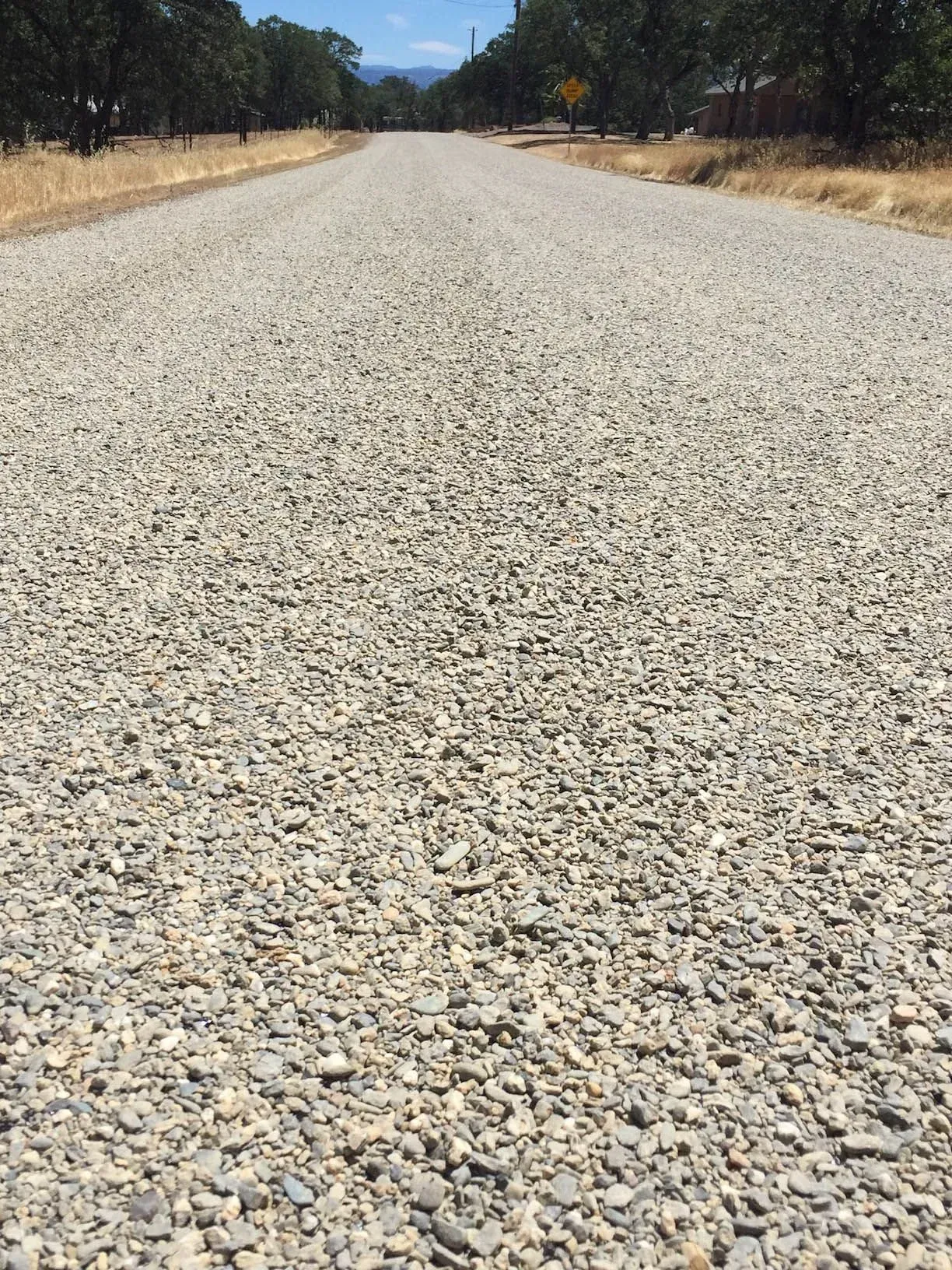
Planning a driveway paving, rural lane, or parking area project in Arizona? Chip seal can be a cost-effective asphalt alternative that provides dust control, a sealed surface, skid-resistant texture, and extended pavement life. However, the quality of the finished surface depends on preparation, materials, timing, compaction, and maintenance.
Here are five common chip seal mistakes and the practical steps that help you avoid them.
1. Rushing Surface Preparation
Chip seal should not be used to cover major surface problems. Applying asphalt emulsion over potholes, deep ruts, soft spots, washboarding, weeds, or poor drainage can lead to early cracking, loose aggregate, and uneven results.
The process should begin with a careful inspection and preparation plan. Depending on your property, preparation may include:
- Grading and leveling the surface
- Compacting soft or loose areas
- Repairing potholes and failing patches
- Filling major cracks
- Removing weeds and vegetation
- Cleaning dust, dirt, and loose material
- Correcting drainage and low spots
- Creating clean, stable edges
The surface needs to be firm, clean, and dry before the binder is applied. Drainage also needs attention before paving because standing water can weaken the base and interfere with bonding.
The consequence: The chip seal may look acceptable at first but can lose stone, reflect existing cracks, or fail around repaired areas.
The fix: Ask your road paving contractors to explain exactly what preparation is included in the estimate. A low bid that skips grading, cleaning, patching, or drainage work may cost more later through repairs and driveway maintenance.
At Pro Pave Inc., we evaluate your existing surface and recommend the preparation needed for a durable result. Learn more about our chip seal process.
2. Using One Thin Layer Instead of a True Double Application
A single chip seal application includes one layer of binder and aggregate. That may be suitable for some lighter-use surfaces, but it is not the same as a TRUE Double Chip Seal.
A TRUE Double Chip Seal includes:
- The first complete application of CRS-2P polymer-modified asphalt emulsion.
- A layer of MAG-spec washed aggregate.
- Rolling and compaction of the first layer.
- The second complete application of CRS-2P polymer-modified asphalt emulsion.
- A second layer of MAG-spec washed aggregate.
- Final rolling and compaction of the second layer.
Each layer is applied, rolled, and compacted separately. This is important because the first layer creates a strong base while the second layer adds additional protection, texture, and dust control.
The consequence: A single thin coat may wear faster under Arizona sun, vehicle traffic, turning movements, and everyday use. It may also provide less protection for long gravel driveways, private lanes, and rural roads.
The fix: Ask whether the contractor is installing one application or two complete applications. Make sure the estimate clearly identifies CRS-2P polymer-modified asphalt emulsion and MAG-spec washed aggregate in both layers.
Our TRUE Double Chip Seal service is designed for Arizona conditions when the surface is properly prepared and the project is a good fit. It offers a budget-friendly alternative to traditional hot mix asphalt while helping control dust and reduce future maintenance.
3. Choosing the Wrong Aggregate or Dirty Stone
Aggregate is not just decorative rock. It is a working part of the chip seal system. The stone size, shape, cleanliness, and spread rate all affect the final bond and surface texture.
Dirty or dusty aggregate can prevent the asphalt binder from bonding correctly. Dust and fines may coat the stone instead of allowing the CRS-2P emulsion to grip the aggregate. Incorrectly sized stone may embed too deeply, sit too high, or create an uneven surface.
MAG-spec washed aggregate matters because it is properly cleaned and sized for the application. Washed stone helps provide:
- Better bonding with the asphalt emulsion
- Less loose dust and surface debris
- More consistent texture
- Improved skid resistance
- A cleaner finished appearance
- Better long-term stone retention
The consequence: Dirty aggregate can lead to chip loss, raveling, loose rock, dusty surfaces, and weak bonding. Too much or too little stone can also create bare spots or excess loose material.
The fix: Ask what type of aggregate will be used, whether it is washed, and whether the size is appropriate for your driveway, chip seal road, or parking area. The spreader should apply the aggregate evenly over the fresh binder, not in piles or uneven strips.
Pro Pave Inc. uses MAG-spec washed aggregate with CRS-2P polymer-modified asphalt emulsion as part of our TRUE Double Chip Seal process. The result is a textured, skid-resistant surface built for practical use and Arizona heat.
4. Paving During the Wrong Weather or Temperature
Chip seal timing matters. Arizona has plenty of sunshine, but extreme heat, wind, dust, monsoon moisture, and changing temperatures can all affect installation and cure time.
A chip seal project generally needs warm, dry conditions. The surface should be dry and free of rain or moisture. The binder must be applied at the correct temperature so it spreads evenly and bonds properly. Weather conditions can also affect how quickly the emulsion sets.
The consequence: Working during rain, on a damp surface, in high winds, or during unsuitable temperatures can cause streaking, weak adhesion, uneven curing, and early aggregate loss.
The fix: Choose a contractor who checks the surface temperature, air temperature, wind, and weather forecast before starting. A professional may recommend adjusting the schedule if conditions are not suitable. It is better to wait for the right installation window than to rush a project that may not bond properly.
After installation, keep vehicles, heavy equipment, sharp turns, and unnecessary traffic off the surface while it cures. Cure time depends on the binder, temperature, humidity, surface condition, and project size. Follow the crew’s instructions before driving or parking on the new chip seal.
For additional technical background, the Caltrans Chip Seal Guide explains why warm, dry conditions and proper curing are important for chip seal performance.
5. Cutting Corners on Rolling, Edges, and Maintenance
Rolling is what seats the aggregate into the binder and helps create a stable, interlocking surface. The aggregate needs to be spread promptly while the binder is ready to receive it. Then, the roller must follow closely and compact the surface correctly.
Cutting corners on rolling can leave chips sitting too high or poorly bonded. Inadequate edge work can allow water and loose material to get under the surface. Failure to sweep excess stone can leave loose aggregate that creates tracking, noise, or vehicle concerns.
The work is not finished when the equipment leaves. Good post-project care includes:
- Keeping traffic off the surface as directed
- Avoiding sharp turns during early curing
- Sweeping loose stone when appropriate
- Keeping dirt and weeds away from edges
- Watching for drainage problems
- Repairing isolated worn areas early
- Planning a re-seal before the surface heavily oxidizes
The consequence: Poor compaction and neglected maintenance can cause raveling, loose chips, edge deterioration, and a shorter service life.
The fix: Ask how many rolling and compaction stages are included. Ask how edges will be finished and when excess aggregate will be removed. Then, follow a simple driveway maintenance plan after the project is complete.
Why DIY Kits and the Cheapest Bid Can Cost More
DIY chip seal kits may appear affordable, but chip seal requires more than spreading liquid asphalt and rock. Proper results depend on surface preparation, binder temperature, application rates, aggregate quality, equipment calibration, weather, rolling, traffic control, and curing.
The cheapest bid may also leave out important steps. If the estimate does not clearly identify preparation, CRS-2P polymer-modified asphalt emulsion, MAG-spec washed aggregate, double application, rolling, edge work, and cleanup, ask questions before signing.
A properly installed chip seal is a cost-effective asphalt alternative, but installation quality matters. Spending less at the beginning can lead to more patching, dust, loose rock, and premature resurfacing later.
Questions to Ask Any Road Paving Contractor Before You Hire
Use this checklist when comparing contractors:
- Is the project a single chip seal or a TRUE Double Chip Seal?
- Will you use CRS-2P polymer-modified asphalt emulsion?
- Is the aggregate MAG-spec, washed, and properly sized?
- What grading, cleaning, patching, and weed removal are included?
- Will drainage and low spots be evaluated?
- How will each layer be rolled and compacted?
- How will edges and transitions be finished?
- What weather and temperature conditions are required?
- How long should vehicles stay off the surface?
- What maintenance should I plan for afterward?
- Are you licensed and insured?
- Can you provide references or completed project examples?
Pro Pave Inc. is family owned and operated in Mesa and has served Arizona for over 50 years. We are ROC License #173828 and hold an A+ BBB rating. We work with homeowners, property managers, commercial owners, HOAs, and rural property owners who need dependable dust control and long-term paving solutions.
Frequently Asked Questions
Is chip seal a good option for a gravel driveway?
Chip seal can be a good gravel driveway solution when the base is properly graded, stable, clean, and well-drained. It creates a sealed, skid-resistant surface that reduces dust, limits water penetration, improves appearance, and requires less maintenance than loose gravel. A site evaluation is recommended because deep ruts, soft spots, and drainage problems may need correction first.
What is the difference between chip seal and asphalt paving?
Chip seal uses asphalt emulsion followed by aggregate that is rolled into place. Traditional hot mix asphalt uses a thicker, smoother asphalt mixture. Chip seal is usually a more affordable asphalt alternative with a textured finish and good dust control. Hot mix asphalt may be better for heavier traffic or situations where a smoother surface is the priority.
How long does chip seal need to cure?
Cure time depends on weather, temperature, humidity, binder type, surface condition, and project size. Light traffic may be possible after the surface sets, but heavy vehicles, sharp turns, and parking should be restricted as directed by the paving contractor. Always follow the project-specific instructions.
Is TRUE Double Chip Seal worth the additional cost?
TRUE Double Chip Seal can provide added durability, dust control, stone retention, and protection compared with a single application. It uses two complete layers of CRS-2P polymer-modified asphalt emulsion and MAG-spec washed aggregate, with each layer rolled and compacted separately. Suitability depends on traffic, surface condition, drainage, project size, and budget.
How often does chip seal need maintenance?
Chip seal generally requires low maintenance when properly installed. Regular sweeping, clean edges, timely repairs, and good drainage help protect the surface. A re-seal may be appropriate before the surface heavily oxidizes, but timing depends on traffic, weather, installation quality, and overall condition.
Request Your Free Estimate
Avoiding common chip seal mistakes starts with proper planning and an experienced paving team. If you need driveway paving, parking lot paving, dust control, or a chip seal road solution in Arizona, Pro Pave Inc. is ready to help.
Call (602) 741-5415 for a free estimate or onsite consultation. There is no pressure, just practical guidance for your property, your budget, and your long-term paving needs.