Chip Seal 101: A Beginner's Guide to Arizona's Smart Asphalt Alternative
If you have a dusty gravel driveway, a rough private lane, or an aging parking area, you may have heard the term chip seal. Also called tar and chip paving, chip seal is a cost-effective asphalt alternative that creates a durable, sealed, skid-resistant surface without the cost of a full hot mix asphalt installation.
For Arizona properties, chip seal can provide dependable dust control, reduce water penetration, improve appearance, and extend surface life. At Pro Pave Inc., we specialize in chip seal paving for residential driveways, rural roads, parking lots, HOA roads, and private lanes throughout Mesa, Phoenix, Cave Creek, Queen Creek, and communities across Arizona.
What Is Chip Seal?
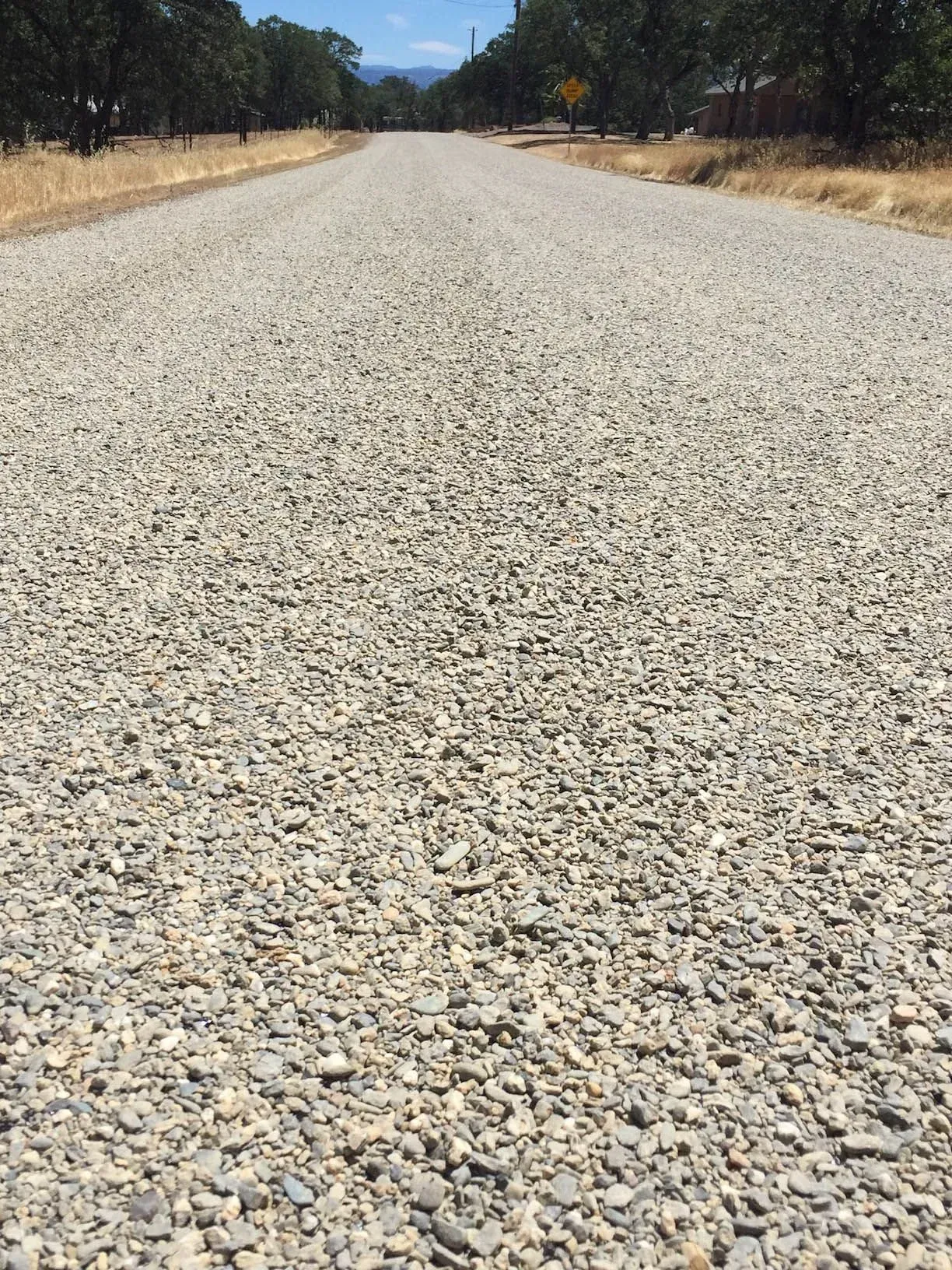
Chip seal is a paving process that combines liquid asphalt binder with carefully selected aggregate, or small crushed stones. The binder is sprayed over a prepared surface, the aggregate is spread over the fresh binder, and heavy rollers press the stones into place.
The result is a firm, textured surface that is much more stable than loose gravel. It helps keep dust from rising, seals the surface against water, improves traction, and provides a practical solution for moderate-traffic areas.
Pro Pave Inc. specializes in a TRUE Double Chip Seal application. This means we install:
- Two complete layers of CRS-2P polymer-modified asphalt emulsion
- MAG-spec washed and properly sized aggregate
- Separate rolling and compaction for each layer
CRS-2P is a liquid asphalt emulsion with polymer added for improved flexibility and performance. In simple terms, it is a strong asphalt binder designed to bond well and stand up to Arizona heat. MAG-spec washed aggregate is clean stone with dust and fine particles removed, which helps improve bonding and dust control.
For more background on pavement preservation, you can also review Arizona DOT’s explanation of pavement preservation.
How the Chip Seal Process Works
A quality chip seal installation depends on careful timing, proper preparation, and thorough compaction. Here is what you can expect from start to finish.
1. Surface Preparation
The process starts with preparing the existing surface. Our crew removes loose dirt, dust, debris, vegetation, and other material that could interfere with bonding.
Soft spots, potholes, deep ruts, drainage concerns, or heavily uneven areas may need repair before chip seal is applied. A chip seal surface is not intended to cover serious base failures. It works best when the foundation is firm, stable, and properly graded.
For an existing asphalt surface, preparation may include cleaning, patching, and addressing minor cracks. For a new gravel driveway or private lane, grading and compaction may be needed first. Good preparation helps create better bonding, better dust control, and longer-lasting results.
2. First Binder Application
Once the surface is clean and ready, we apply the first layer of CRS-2P polymer-modified asphalt emulsion evenly across the project area.
The binder is the liquid asphalt that holds the aggregate in place. It also helps seal the surface and reduce water penetration. Application rates depend on the surface condition, aggregate size, traffic, weather, and project design.
This stage requires experience because the binder must be applied evenly. Too little may not hold the stone properly, while too much can create a soft or overly rich surface.
3. First Aggregate Application
While the first layer of binder is still ready to receive stone, we spread MAG-spec washed aggregate across the surface.
The aggregate provides the texture and traction that chip seal is known for. Because the stone is washed, there are fewer loose fines that can create dust. The properly sized, angular material also helps the chips interlock when compacted.
The aggregate must be placed promptly and evenly. This is one reason professional road paving contractors use the right equipment and coordinate each step carefully.
4. First Rolling and Compaction
After the first aggregate layer is spread, heavy rollers compact it into the binder. Rolling helps orient the stones, improve embedment, and create a stable surface.
This is not a step to rush or skip. Proper compaction helps prevent loose stone, improves chip retention, and gives the surface a firm feel under vehicle traffic. Each complete layer in our TRUE Double Chip Seal process is rolled and compacted separately.
5. Second Binder and Aggregate Application
After the first layer has set appropriately, we repeat the process. A second complete application of CRS-2P polymer-modified asphalt emulsion is applied over the first layer.
A second layer of MAG-spec washed aggregate is then spread over the fresh binder. This second application adds additional protection, improves durability, and provides more consistent dust control than a single-layer treatment.
6. Final Rolling, Cleanup, and Curing
The second layer is rolled and compacted separately until the aggregate is securely bonded. Once the surface has set sufficiently, loose stone may be swept from the area.
Your new chip seal surface will need time to cure. Light traffic may be possible within several hours in some conditions, but driveways and private roads often benefit from staying closed for approximately 12 to 24 hours. Weather, temperature, project size, traffic, and installation conditions can affect the exact timing.
We will explain when it is appropriate to drive, park, or make sharp turns on the surface. Following those instructions helps protect the new work.
Where Does Chip Seal Work Best?
Chip seal is a practical choice for many Arizona properties, especially where dust control, affordability, and durability are priorities.
Residential Driveways
Chip seal works well for long driveways, desert properties, gravel drives, and private residential entrances. It creates a more stable and cleaner surface than loose gravel while adding traction and reducing ongoing grading.
Rural Lanes and Private Roads
A chip seal road can be a budget-friendly option for private lanes, ranch roads, and rural access roads. It helps control dust and reduces the need to replace loose gravel after every storm or period of heavy use.
Commercial Parking Areas
Chip seal can also support parking lot paving and resurfacing projects where a textured, durable surface is acceptable. Property owners may choose it to improve appearance, reduce dust, seal minor surface concerns, and control maintenance costs.
HOA and Municipal Roads
HOAs and municipalities often look for cost-effective road paving solutions that can preserve pavement and serve moderate traffic. Chip seal can be a useful option when the base is stable and the goal is surface protection rather than major structural reconstruction.
Chip Seal vs. Hot Mix Asphalt
Chip seal and hot mix asphalt both have practical uses. The right choice depends on your surface condition, traffic, appearance preferences, and budget.
Chip seal is usually more affordable and faster to install. It provides dust control, a sealed surface, good traction, and a natural textured appearance. It is well suited to driveways, rural roads, private lanes, and moderate-traffic parking areas.
Hot mix asphalt creates a smoother, more uniform surface and may be a better choice for heavier traffic, significant grading corrections, or projects requiring additional structural thickness. It generally costs more because it uses a thicker asphalt layer and more material.
Chip seal will not make a severely failing base level or repair major structural damage. A professional evaluation can help determine whether chip seal, asphalt overlay, repairs, or another solution is most appropriate.
Basic Chip Seal Driveway Maintenance
Chip seal is designed to be low maintenance, but simple care helps protect your investment.
- Sweep loose stone during the early curing period as recommended.
- Keep dirt, weeds, and landscaping material from building up along the edges.
- Avoid sharp turns and heavy equipment until the surface has cured.
- Address drainage problems or standing water promptly.
- Contact a paving professional if you notice worn areas, unusual stone loss, or surface damage.
With proper installation and reasonable maintenance, TRUE Double Chip Seal can provide a durable, dust-controlled surface built for Arizona conditions.
Frequently Asked Questions
Is chip seal the same as loose gravel?
No. Chip seal uses liquid asphalt binder and aggregate that are rolled and compacted together. The finished surface is firm and sealed, with a textured feel that provides traction. It is much more stable than a loose gravel driveway and helps reduce dust.
Is chip seal a good asphalt alternative for Arizona driveways?
Yes, chip seal can be a cost-effective asphalt alternative for many Arizona driveways, especially long driveways, rural entrances, and moderate-traffic private roads. It provides dust control, water resistance, traction, and durability. Suitability depends on the base condition, drainage, traffic, and preparation requirements.
What materials does Pro Pave Inc. use?
Pro Pave Inc. uses a TRUE Double Chip Seal system with two complete layers of CRS-2P polymer-modified asphalt emulsion and MAG-spec washed aggregate. Each layer is spread, rolled, and compacted separately to improve bonding, durability, and dust control.
How long does a chip seal surface take to cure?
Many projects can accept light traffic after several hours, but the recommended cure time depends on weather, temperature, surface condition, traffic, and project size. Driveways and private roads commonly need approximately 12 to 24 hours before regular use. Your project instructions may vary.
Can chip seal be placed over an existing asphalt surface?
It can be, provided the existing surface is clean, stable, and suitable for treatment. Major potholes, deep ruts, drainage problems, or structural failures may require repairs first. A free site evaluation can help determine whether chip seal is the right solution.
Learn If Chip Seal Is Right for Your Property
Pro Pave Inc. is family-owned and operated in Mesa with more than 50 years of paving experience. We are ROC License #173828 and hold an A+ BBB rating. Our team provides professional chip seal, dust control, driveway paving, road paving, and parking lot paving services with a focus on quality workmanship and long-term results.
If you are considering gravel driveway solutions or a cost-effective way to improve a private road, driveway, or parking area, contact Pro Pave Inc. for a free estimate or onsite consultation. Call (602) 741-5415 to discuss your project with our team.