
Chip Seal vs. Asphalt Driveway: Which Is Better for Your Arizona Property?
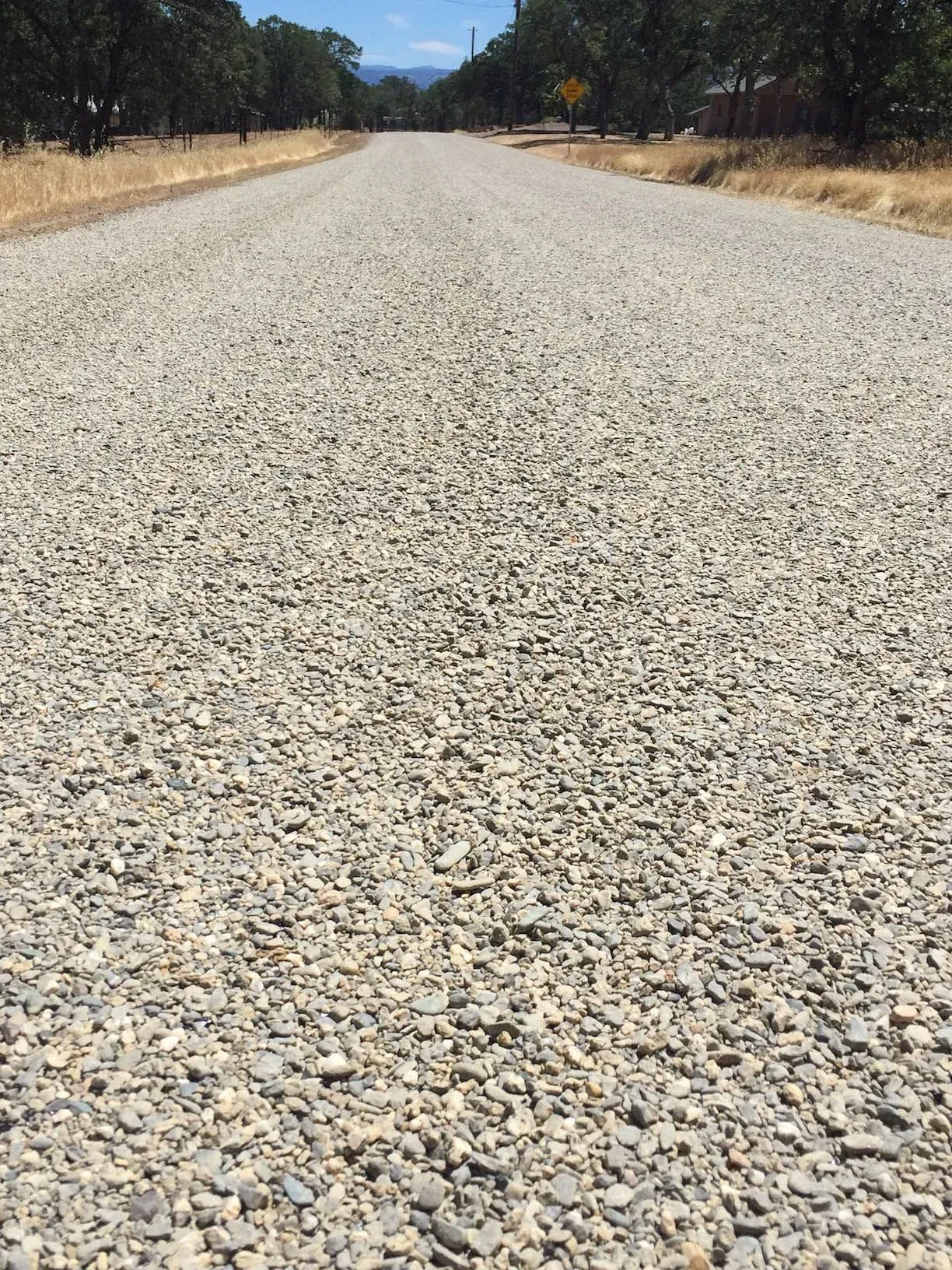
If you are planning driveway paving in Arizona, you are probably comparing two popular options: chip seal and traditional hot mix asphalt. Both can create a durable, dust-free surface, but they serve different needs.
Chip seal is often the more cost-effective choice for long driveways, rural properties, private lanes, and unpaved surfaces where dust control is a priority. Asphalt is usually better when you want a smoother finish, heavier structural strength, or a traditional blacktop appearance.
At Pro Pave Inc., we help homeowners and property managers compare the options based on surface condition, traffic, budget, drainage, and long-term goals. Our family-owned Mesa paving company has more than 50 years of experience, ROC License #173828, and an A+ BBB rating. We specialize in TRUE Double Chip Seal for Arizona roads, driveways, and parking areas.
Chip Seal vs. Asphalt: A Quick Comparison
| Factor | Chip Seal | Traditional Asphalt |
|---|---|---|
| Typical installed cost | Approximately $2–$5 per square foot | Approximately $4–$13 per square foot |
| Surface appearance | Textured, natural stone finish | Smooth, dark, uniform finish |
| Dust control | Excellent for dirt and gravel surfaces | Excellent once fully paved |
| Heat performance | Lighter aggregate surface absorbs less heat | Dark surface absorbs more heat |
| Skid resistance | Strong traction from the textured stone | Good traction with a smoother surface |
| Maintenance | Generally low maintenance | Requires crack repair and periodic sealcoating |
| Typical lifespan | Often 7–10 years, depending on use and installation | Often 15–20+ years with proper maintenance |
| Best use | Long driveways, rural roads, private lanes, moderate traffic | Heavy traffic, frequent turning, smooth residential driveways |
Actual cost and lifespan depend on preparation, drainage, project size, traffic, weather, and installation quality. A site evaluation is the best way to determine which surface is right for your property.
What Is a Chip Seal Driveway?
Chip seal, also called tar and chip paving, combines a liquid asphalt binder with properly sized aggregate stone. The binder is applied to a prepared surface, aggregate is spread over the fresh material, and a heavy roller compacts the stone into place.
The result is a firm, textured surface that is much more stable than loose gravel. It helps reduce dust, sheds water, improves traction, and protects the underlying base from weathering and erosion.
At Pro Pave Inc., our signature TRUE Double Chip Seal uses:
- Two complete layers of CRS-2P polymer-modified asphalt emulsion
- MAG-spec washed aggregate with fines removed
- Separate rolling and compaction for each layer
- Careful surface preparation and cleaning
- A final curing period for secure bonding
The second complete layer gives the surface added durability, dust control, and protection compared with a basic single-layer chip seal.
What Is Traditional Asphalt Paving?
Traditional asphalt paving uses a hot mix of asphalt binder and aggregate. The mixture is placed in a thicker, continuous layer and compacted with rollers to create a smooth blacktop surface.
Asphalt is a strong option for areas that receive frequent vehicle traffic, heavier loads, or repeated turning. It provides a smooth ride and a clean, uniform appearance that many homeowners prefer for shorter residential driveways.
Asphalt can also last longer than chip seal when it is installed over a properly prepared base and maintained correctly. However, the higher initial cost may not make sense for every Arizona property, especially when you are paving a long private road or trying to control dust across a large rural area.
Cost: Chip Seal Is Usually the More Affordable Option
For many Arizona projects, chip seal costs approximately $2–$5 per square foot, while traditional asphalt may cost approximately $4–$13 per square foot. The final price depends on the size of the project, surface preparation, grading, drainage, access, material requirements, and traffic needs.
That difference becomes significant on a long driveway or private road. A lower-cost chip seal surface can help you pave more area while staying within budget. It can also be a practical alternative to leaving the surface as loose gravel, which often requires repeated grading, watering, and dust control.
Asphalt may provide a longer service life, but chip seal can offer strong value when the goal is to improve a large area without paying for a full-depth asphalt installation. TRUE Double Chip Seal adds a second layer of protection while remaining a cost-effective asphalt alternative.
Arizona Heat and Long-Term Durability
Arizona pavement must handle intense sunlight, high surface temperatures, dry conditions, and sudden monsoon rain. Both chip seal and asphalt can perform well when properly installed, but each responds differently to these conditions.
Chip seal uses a lighter-colored aggregate surface that generally absorbs less heat than dark asphalt. The textured stone also provides a durable wearing surface that stands up well to normal residential and rural traffic. TRUE Double Chip Seal is designed for Arizona conditions by using CRS-2P polymer-modified asphalt emulsion and washed MAG-spec aggregate in two separately compacted layers.
Asphalt is structurally stronger and usually handles heavier traffic better. It is often the better choice for commercial parking areas, busy driveways, delivery access, or locations with frequent tight turning. Its lifespan can reach 15–20 years or more when the base, drainage, installation, and maintenance are all appropriate.
Chip seal commonly lasts about 7–10 years, although results vary. Traffic, drainage, surface preparation, weather, and maintenance all affect service life.
Dust Control and Water Resistance
If your current driveway or road is dirt or gravel, dust control may be your most important concern. Loose aggregate can create dust around homes, garages, landscaping, vehicles, and neighboring properties. It can also move during Arizona wind, rain, and regular traffic.
A chip seal driveway creates a sealed surface that greatly reduces dust. The CRS-2P binder holds the clean aggregate in place, while the stone layer helps protect the surface from water penetration and erosion. This is especially useful for long driveways, rural roads, private lanes, and desert properties in Mesa, Phoenix, Cave Creek, and Queen Creek.
Asphalt also eliminates dust from an unpaved surface. However, asphalt cracks can allow water to reach the base if they are not repaired. Chip seal helps seal minor surface openings and creates a water-shedding layer, but significant potholes, soft spots, or drainage problems should be corrected before installation.
Skid Resistance, Appearance, and Driving Comfort
Chip seal has a textured finish created by the aggregate stone. That texture provides excellent traction and skid resistance, which can be helpful on slopes, curves, and rural roads. It also gives the property a natural desert appearance that works well with gravel landscaping, native plants, and stone features.
The trade-off is that chip seal will not feel as smooth or quiet as asphalt. It is firm and stable after compaction, but it still has a noticeable texture under tires and foot traffic.
Asphalt offers a smoother and more uniform finish. It is often preferred for a polished residential appearance, comfortable driving, and areas where road noise needs to be minimized. If your priority is smoothness, asphalt may be the better fit. If your priority is traction, dust control, affordability, and a durable desert-friendly surface, chip seal may be the better choice.
When Does Each Option Make Sense?
Choose Chip Seal When:
- You have a long driveway, private lane, or rural road.
- Your current surface is dirt, gravel, or an aging paved surface.
- Dust control is a major concern.
- You want a cost-effective asphalt alternative.
- You prefer a textured, natural stone appearance.
- Traffic is light to moderate.
- You want good skid resistance and lower routine maintenance.
- You need a surface that performs well in Arizona heat.
TRUE Double Chip Seal is especially useful when you want more durability and dust control than a basic single-layer application can provide.
Choose Asphalt When:
- You need the smoothest possible driveway surface.
- Your property receives heavy or frequent traffic.
- Large vehicles regularly use the area.
- You have repeated turning movements near garages or loading areas.
- You prefer a dark, uniform blacktop appearance.
- You are prepared for periodic crack repair and sealcoating.
- The project requires greater structural strength.
For commercial parking lots, busy access drives, and high-use areas, asphalt may be the right investment. For long residential driveways, rural roads, private lanes, and dust control projects, chip seal often provides better value.
Our Chip Seal Process
A successful chip seal driveway starts with proper preparation. At Pro Pave Inc., the process generally includes:
- Surface preparation: We clean the area, remove loose debris, address soft spots, and evaluate grading and drainage.
- First binder application: We apply an even layer of CRS-2P polymer-modified asphalt emulsion.
- First aggregate placement: MAG-spec washed aggregate is spread over the fresh binder.
- First rolling and compaction: A heavy roller presses the aggregate into place for a strong bond.
- Second binder application: We apply a complete second layer of CRS-2P emulsion.
- Second aggregate placement: A second layer of washed, properly sized aggregate is spread evenly.
- Final rolling and curing: The surface is rolled and compacted again, then allowed to cure according to weather and site conditions.
Light vehicle traffic may be possible within a few hours, but heavy traffic and sharp turns should usually be avoided until the surface has set. Our team will explain the appropriate timing for your project.
Why Arizona Property Owners Choose Pro Pave Inc.
Pro Pave Inc. is a local, family-owned paving company based in Mesa. We have served Arizona property owners for more than 50 years and understand the demands of desert heat, dust, dry soil, and seasonal monsoon weather.
We provide:
- Professional residential and commercial chip seal paving
- TRUE Double Chip Seal applications
- Dust control for unpaved roads and driveways
- Paving for rural roads, private lanes, and parking lots
- Free onsite consultations
- Rough estimates by phone
- Reliable communication and quality workmanship
You can learn more about our chip seal paving services, see completed work in our project gallery, or read more about our 50-plus years of local experience.
Chip Seal or Asphalt: Which Is Better for Your Property?
There is no single answer for every Arizona driveway. Asphalt is usually the stronger choice for heavy traffic, smoothness, and maximum structural durability. Chip seal is often the more affordable and practical choice for dust control, long driveways, rural properties, private roads, and moderate traffic.
TRUE Double Chip Seal gives Arizona property owners a durable middle option. It combines two complete layers of CRS-2P polymer-modified asphalt emulsion and MAG-spec washed aggregate to create a sealed, skid-resistant, dust-controlled surface built for desert conditions.
If you are unsure which paving option is right for your property, contact Pro Pave Inc. for a free consultation or estimate. You can also call (602) 741-5415. We will review your surface, traffic needs, drainage, budget, and long-term goals, then help you find a dependable solution without pressure.