
Driveway Maintenance in Arizona: How to Keep Your Chip Seal Driveway in Top Shape for Years
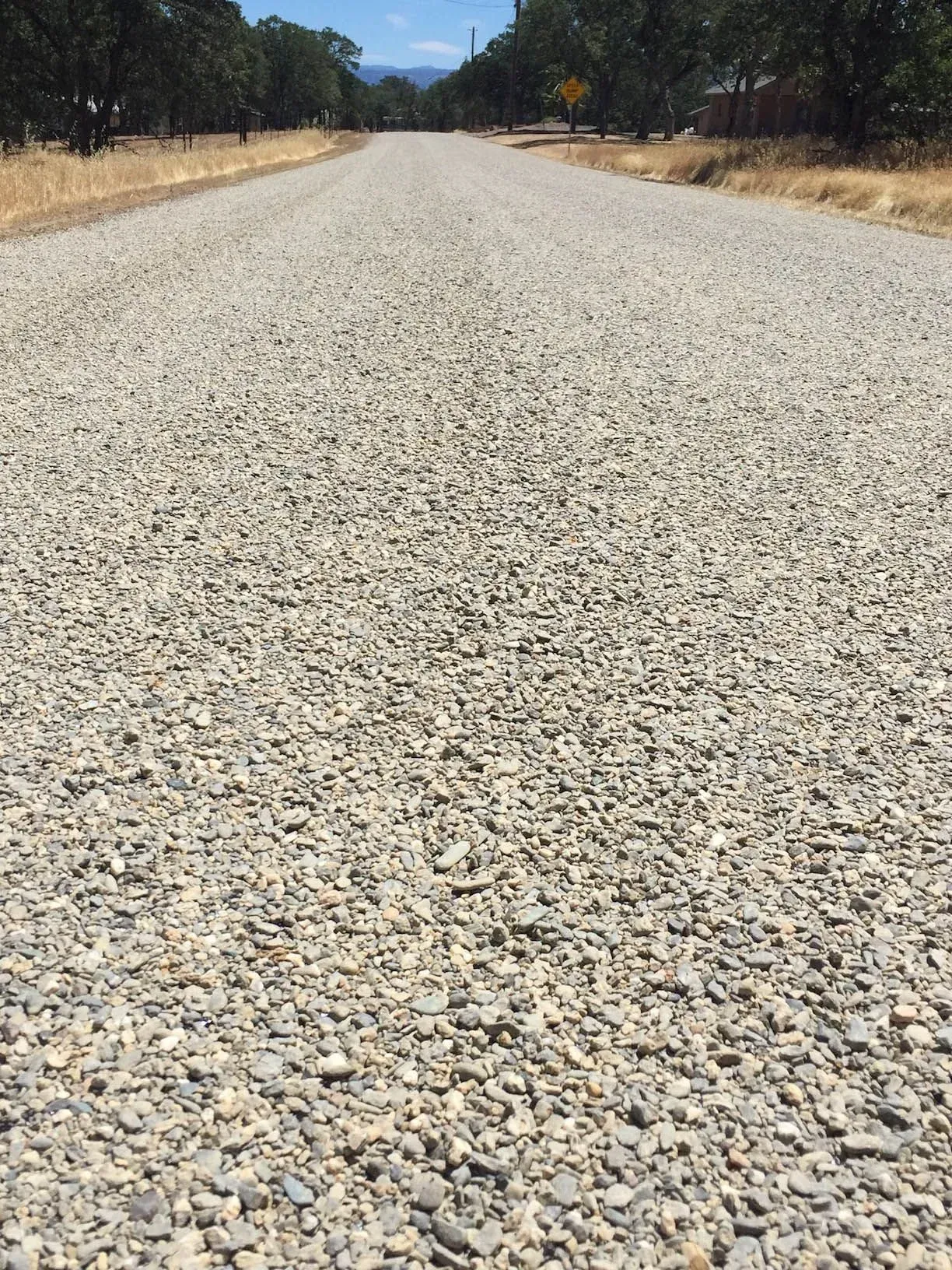
A chip seal driveway is a practical, cost-effective asphalt alternative for Arizona properties. It provides dust control, a durable textured surface, and reliable protection for driveways, private lanes, and rural roads. However, even a well-installed chip seal surface benefits from regular driveway maintenance.
Arizona’s intense sunlight, extreme heat, wind, dust, and seasonal monsoon storms can place stress on any pavement. The good news is that simple year-round care can help your driveway maintain its appearance, traction, and long-term performance.
Why Driveway Maintenance Matters in Arizona
Arizona heat can dry and age asphalt binder over time. The summer monsoon season can also send sudden water runoff across your driveway, especially when gutters, landscaping, or drainage paths direct water toward the pavement.
Routine driveway maintenance helps you identify small problems before they become expensive repairs. Cleaning away debris, keeping water moving off the surface, protecting the edges, and addressing loose aggregate early can help extend the life of your chip seal driveway.
The same principle applies to a chip seal road, private lane, or commercial area that has received parking lot paving. Proper maintenance supports dust control, improves safety, reduces surface wear, and helps you get more value from your paving investment.
For additional information about the installation process, visit PRO PAVE INC.’s chip seal paving page.
A Seasonal and Year-Round Maintenance Routine
1. Inspect Your Driveway Twice a Year
A quick inspection in the spring and again after monsoon season is a practical starting point. You should also inspect the surface after an unusually heavy storm or whenever you notice a change in appearance.
Look for:
- Loose or missing aggregate
- Bare areas where the binder is exposed
- Cracks that are widening or branching
- Potholes, depressions, or soft spots
- Broken driveway edges
- Standing water or new drainage paths
- Dirt, weeds, or sediment collecting on the surface
Early inspection is one of the simplest ways to protect your driveway. If you see a small area of aggregate loss, it may be easier and more affordable to correct than a larger section that has continued to deteriorate.
2. Sweep Away Dust and Debris
Windblown sand, leaves, gravel, and landscaping debris can collect along the edges and in low areas. These materials can hold moisture against the surface, hide cracks, and contribute to weed growth.
Use a broom or a light mechanical sweeper to remove debris. Avoid aggressive scrubbing, metal blades, or pressure washing that could loosen properly bonded aggregate. Occasional gentle cleaning is usually enough to keep a chip seal driveway looking neat and performing well.
If you have a gravel driveway that has not yet been paved, professional gravel driveway solutions can help reduce dust and create a more stable surface.
3. Continue Dust Control Around the Driveway
A properly installed chip seal surface provides excellent dust control, but dust can still enter from unpaved shoulders, nearby gravel, landscaping, or adjacent roads. Keep loose dirt from washing or blowing onto the driveway whenever possible.
Maintain a clean transition at the driveway entrance. If surrounding gravel is migrating onto the chip seal, a stable shoulder or edge treatment may help. Avoid piling loose landscape rock against the pavement edges because it can trap water and contribute to edge damage.
4. Protect the Surface During Vehicle Use
Chip seal is firmer and more stable than loose gravel, but it has a textured finish. Your driving habits can help reduce unnecessary wear.
Try to:
- Avoid sharp, stationary turns when the pavement is very hot.
- Reduce tire spinning and sudden acceleration.
- Avoid dragging trailers, equipment, or metal objects across the surface.
- Use care when moving heavy containers or construction materials.
- Keep oversized vehicles from repeatedly parking on the same edge.
Heavy RVs, trailers, and work vehicles may be appropriate for a properly prepared driveway, but long-term performance depends on the base, traffic level, drainage, and installation quality. If your property receives frequent heavy traffic, ask a paving professional whether additional maintenance is appropriate.
5. Address Cracks and Edges Early
A chip seal surface can help protect against minor cracking, but it is not designed to correct major structural problems. Small cracks should be monitored and evaluated before monsoon water can reach the base.
Cracks that are spreading, wider than approximately one-quarter inch, or connected to potholes may require professional repair. Alligator cracking, pumping, settlement, or soft areas can indicate a base or drainage problem. Filling the surface without correcting the underlying issue may only provide a temporary result.
Pay close attention to the edges. Weeds, erosion, irrigation leaks, and vehicle traffic can weaken the sides of a driveway. Keep vegetation trimmed back and repair broken irrigation lines quickly.
6. Watch for Aggregate Loss
Some loose chips can be normal after a new chip seal application, particularly during the early curing period. Your paving contractor should explain what to expect and when the surface is ready for normal use.
Progressive aggregate loss is different. Large bare patches, exposed binder, or repeated stone movement may indicate aging, moisture problems, traffic stress, or an issue that needs professional attention.
Do not spread random rock over a bare area and expect it to bond correctly. The repair may require cleaning, compatible asphalt emulsion, properly sized aggregate, and careful rolling. A professional evaluation can help determine whether spot repairs, a maintenance treatment, or a larger resurfacing project is appropriate.
7. Keep Water Moving Away From the Driveway
Water is one of the most important concerns in long-term pavement care. Keep gutters, downspouts, swales, culverts, and drainage outlets clear. Do not allow roof water or irrigation to discharge directly onto the chip seal surface.
After a storm, check for:
- Standing water
- Washed-out driveway edges
- Sediment deposits
- New channels across the surface
- Soft or sunken areas
Standing water is often a sign of a grading or drainage issue rather than a simple cleaning problem. Correcting drainage early can help protect the base and reduce future repairs.
8. Ask About Fog Seal or Surface Touch-Ups
A fog seal is a light application of compatible asphalt emulsion used to renew the surface binder, slow oxidation, and help retain fine aggregate. It may be useful when a chip seal driveway looks dry or slightly weathered but remains structurally sound.
Fog sealing is not a replacement for repairing potholes, major cracks, failed patches, soft spots, or drainage problems. The surface should be cleaned first, and larger defects should be addressed before the treatment is applied.
Timing also matters. Fog seal and other maintenance treatments generally need dry weather and adequate curing time. A contractor should select the appropriate material and application rate for your aggregate, traffic, weather, and surface condition. Do not apply a generic DIY sealcoating product without confirming that it is compatible with chip seal texture.
What to Expect From a TRUE Double Chip Seal Application
Long-term maintenance begins with quality installation. PRO PAVE INC.’s TRUE Double Chip Seal process uses two complete layers rather than one partial application.
The process includes:
- Surface preparation: The driveway or road is cleaned, prepared, and stabilized. Loose material, debris, and problem areas are addressed before application.
- First binder application: CRS-2P polymer-modified asphalt emulsion is applied evenly across the prepared surface.
- First aggregate placement: MAG-spec washed aggregate is spread over the fresh emulsion.
- First rolling and compaction: The aggregate is rolled and compacted separately to create a strong bond.
- Second binder application: A second complete layer of CRS-2P polymer-modified asphalt emulsion is applied.
- Second aggregate placement: A new layer of properly sized, washed MAG-spec aggregate is spread across the surface.
- Final rolling and compaction: The second layer is rolled and compacted separately.
Washed aggregate has less dust and fine material, which supports cleaner bonding and better dust control. The two-layer system creates a durable, skid-resistant surface designed to stand up well to Arizona heat when properly installed and maintained.
When to Call the Professionals
Contact a paving professional if you notice widespread aggregate loss, recurring puddles, deep cracks, potholes, alligator cracking, soft spots, settlement, or edge erosion. These conditions may require more than routine cleaning or a fog seal.
It is also a good idea to request an evaluation if your driveway is several years old, receives heavy traffic, or has gone through repeated drainage problems. The right maintenance recommendation depends on the surface condition, base, traffic, weather exposure, and project size.
PRO PAVE INC. provides free site consultations and phone estimates. We can help you determine whether your property needs maintenance, repair, or a new chip seal application.
“Pro Pave Inc. did an incredible job on our driveway with their chip seal service. The team was professional, on time, and delivered exactly what they promised. Our driveway looks great, and we couldn’t be happier with the results!”- Mark R.
Frequently Asked Questions
How often should I inspect a chip seal driveway in Arizona?
Inspect your chip seal driveway at least twice a year, preferably in spring and after monsoon season. Also check it after heavy storms, drainage problems, or unusual vehicle use. Regular inspections help identify cracks, aggregate loss, standing water, and edge damage before repairs become more expensive.
Can I pressure wash my chip seal driveway?
Light cleaning is usually appropriate, but aggressive pressure washing may loosen aggregate or damage the surface texture. Sweeping is the safer first choice. If deeper cleaning is needed, ask a paving professional about the correct method for your specific chip seal driveway.
Is fog sealing the same as installing new chip seal?
No. Fog sealing is a light maintenance treatment intended to refresh compatible binder and help retain aggregate on a structurally sound surface. New chip seal installation includes binder, aggregate, rolling, and compaction. A fog seal will not correct potholes, major cracks, poor drainage, or base failure.
How long should I stay off a newly installed chip seal driveway?
Cure time depends on temperature, weather, traffic, surface condition, and installation details. Follow your contractor’s instructions. Light traffic may be allowed after the surface has set, but heavy vehicles and sharp turns may need to wait longer, often at least 24 hours.
Is chip seal a good choice for Arizona driveways?
Chip seal can be a cost-effective asphalt alternative for many Arizona driveways, private roads, and parking areas. It offers dust control, skid resistance, water protection, and a durable textured finish. Suitability depends on the base, drainage, traffic, surface condition, and installation quality.
Protect Your Driveway With Professional Care
Good driveway maintenance is simple: inspect the surface, sweep away debris, control dust, protect the edges, keep water moving away, and address small concerns early. With proper installation and reasonable care, a TRUE Double Chip Seal driveway can provide durable, budget-friendly performance for years.
PRO PAVE INC. is family owned and operated in Mesa and has served Arizona property owners for over 50 years. We are ROC License #173828 and hold an A+ BBB rating. Our team provides dependable chip seal paving and dust control for residential driveways, private roads, rural properties, and commercial areas.
Contact PRO PAVE INC. for a free estimate or onsite consultation, or call (602) 741-5415 to discuss your driveway maintenance needs.